How a Tesla Employee Turned Down $1 Million and Stopped a Major Ransomware Attack

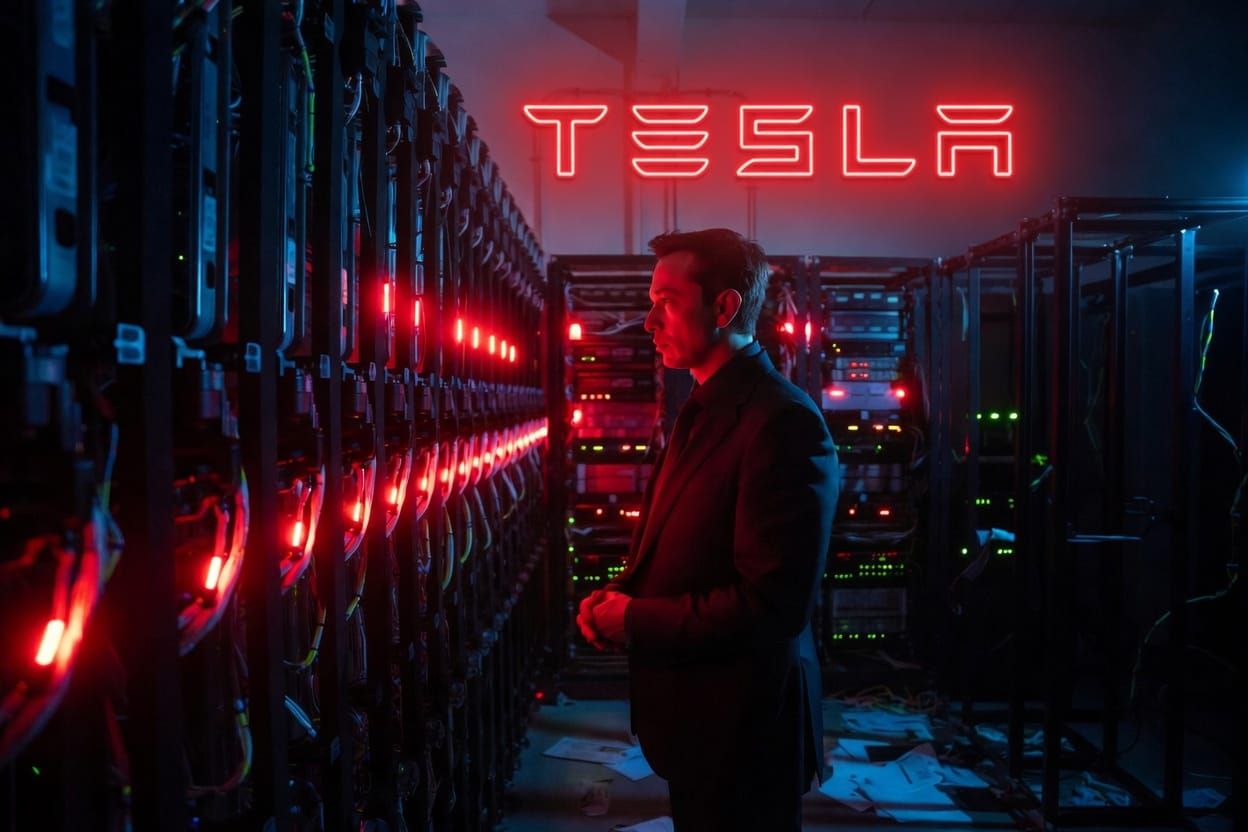
In the summer of 2020, a Russian national flew into the United States with a bold plan: bribe a Tesla factory worker to plant ransomware inside the company’s computer systems. The goal? Steal sensitive data, launch a distracting cyberattack, and extort millions from one of the world’s most valuable carmakers.
What the attacker didn’t count on was the integrity of that Tesla employee.
The Setup: An Old Acquaintance Reaches Out
The story begins in July 2020 at Tesla’s Gigafactory Nevada in Sparks, just outside Reno. A Russian-speaking Tesla employee (who has never been publicly named) received a WhatsApp message from someone he had met years earlier: 27-year-old Egor Igorevich Kriuchkov.
At first, the contact seemed friendly. Kriuchkov invited the employee out for drinks in Sparks. Over the next few weeks, the two met multiple times. They even took a group trip to Lake Tahoe. Kriuchkov paid for meals, drinks, and entertainment; classic social-engineering tactics designed to build trust.
Then came the pitch. Kriuchkov revealed he was working with a criminal group that specialized in “special projects.” He wanted the Tesla worker to install malware on the company’s network. The method was simple: either open a malicious email attachment or plug in an infected USB drive. Once inside, the malware would quietly steal corporate secrets. To cover their tracks, the group planned a distributed denial-of-service (DDoS) attack to overwhelm Tesla’s security team.
The payoff? $500,000 at first, quickly raised to $1 million in cash or Bitcoin. Kriuchkov even promised to frame another Tesla employee if needed and assured the insider that the operation would be untraceable. He provided a burner phone and instructions on using the Tor browser for anonymity.
The Heroic Response: Reporting It Immediately
Instead of taking the bribe, the Tesla employee did exactly what every company hopes its staff will do: he reported the entire scheme to Tesla management right away. Tesla immediately contacted the FBI.
The employee agreed to become a confidential human source. He kept meeting Kriuchkov; now wearing a wire and continued recording conversations. The FBI used those recordings, along with surveillance, to build a rock-solid case.
On August 22, 2020, as Kriuchkov tried to leave the country from Los Angeles, agents arrested him. Court documents later showed he had traveled across the U.S. (New York, Nevada, California) specifically to recruit the insider.
Aftermath: Guilty Plea and a Wake-Up Call
In March 2021, Kriuchkov pleaded guilty to conspiracy to introduce malware into a U.S. company’s computer network. Elon Musk publicly confirmed the attempt, calling it a “serious attack” that Tesla and the FBI had successfully thwarted before any damage was done.
The case highlighted how ransomware gangs were evolving. Instead of relying solely on phishing emails or software vulnerabilities, they were willing to spend big money recruiting insiders turning trusted employees into the weakest link.
Lessons Every Company (and Employee) Should Learn
- Insider threats are real and expensive to prevent. Even a single compromised employee with physical or network access can bypass the best firewalls.
- Social engineering still works. Free drinks, vacations, and “old friend” chats remain effective because they feel human, not suspicious.
- Quick reporting saves the day. Tesla’s employee could have become rich overnight. Instead, his decision protected thousands of jobs, proprietary technology, and customer data.
- Collaboration between companies and law enforcement works. Tesla’s rapid response and the employee’s willingness to cooperate led to an arrest in weeks.
Final Thoughts
This wasn’t a Hollywood hacker movie with lines of green code. It was a real-world story of greed versus integrity, played out over drinks in Nevada and recorded hotel-room conversations. One Tesla worker’s choice turned a potential multimillion-dollar cyber-heist into a federal case that ended with a guilty plea.
In an era when ransomware crews are bolder than ever, this incident reminds us that the best cybersecurity defense isn’t always the latest software update it’s often an honest employee who simply says “no.”