"Things Move Slow": When Local Government Bureaucracy Meets Cyber Crime Speed

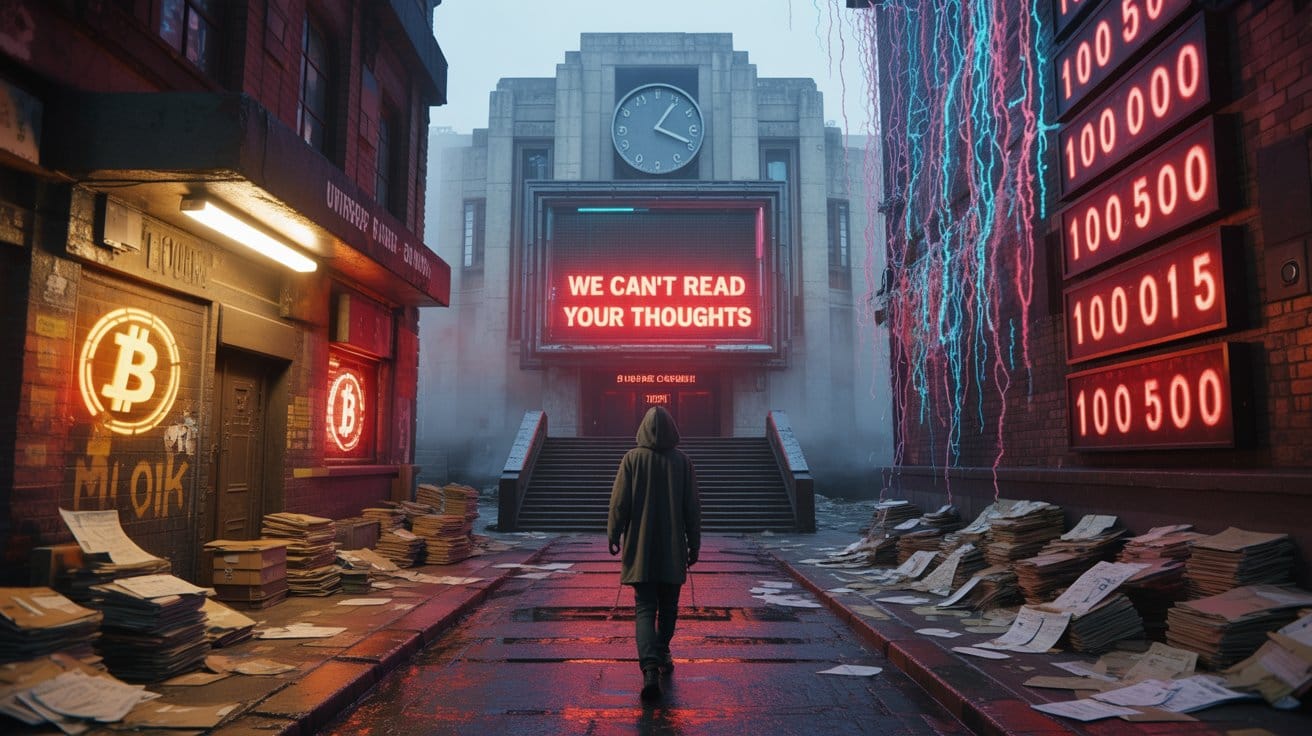
Ransomware negotiations usually break down over money. This one broke down when government bureaucracy met criminal speed.
The transcript between the Akira ransomware group and a local government victim offers a brutal lesson in operational tempo. The victim successfully negotiated a massive discount, navigated technical hurdles, and even got the "management" to agree to their price.
But they forgot one thing: criminal cartels do not work on municipal timelines.
Crime as Customer Service
The conversation starts like a boring customer service call.
“Hello. You've reached an Akira support chat.”
You won't find a scary landing page or a countdown clock here. Just a queue, a ticket, and a promise of "customer service."
“For now you have to know that dealing with us is the best possible way to settle this quick and cheap.”
But as this transcript shows, even when a victim secures a massive discount, the deal can still collapse. This case isn't about price. It is about the clash between the lightning-fast operations of a ransomware cartel and the glacial pace of local government bureaucracy.
The A La Carte Receipt of Extortion
Once the initial confusion settles—and the victim realizes that yes, files were indeed taken—Akira pivots to a sales pitch that rivals a legitimate SaaS company.
They don't just demand a number. They offer a menu of services.
“We're willing to set a $300,000 price for ALL the services we offer:full decryption assistance;evidence of data removal;security report on vulnerabilities we found;guarantees not to publish or sell your data; 5) guarantees not to attack you in the future.”
When the victim asks for a breakdown, Akira actually provides line-item pricing:
- Decryption: $150k
- Data Removal Evidence: $125k
- Security Report: $25k
This is psychological grounding. By assigning specific values to "services," the attackers make the ransom feel like a transaction rather than a robbery.
Debugging With The Enemy
The power dynamic shifts further when the victim realizes they are technically out of their depth. They aren't just negotiating a ransom; they are relying on the criminals to understand their own infrastructure.
At one point, the victim, confused by their inability to access their servers, effectively asks the attacker for IT support:
“ANy chance you would share the password for our VCenter? We fear the hardware has now been damaged”
It is a humiliation specific to ransomware: the victim is forced to ask the attacker for help to verify if their hardware is broken.
The attacker responds not with threats, but with a technical correction, explaining the victim's own network architecture better than the victim understands it:
“Your VСenter was in the quality of a virtual machine on one of the ESXi server. All VMs on this ESXi have been encrypted so you can't login to your VCenter.”
The victim is locked out, confused, and dependent. Akira holds the keys and the knowledge.
The "Government Speed" Defense
The victim, identified as a "local government," plays their strongest card early: bureaucracy.
When Akira threatens to blog about the hack if decisions aren't made "today", the victim pushes back with the reality of the public sector.
“as part of the local government, these decisions take everyone getting involved. This means things move slow”
Akira tries to accelerate the timeline—“everyone involved needs to hurry up”—but the victim holds firm.
They ask for a "best price" for the whole package. Akira drops to $250,000 .
Then, the victim anchors hard. They don't just offer a lower number; they tie it to a hard regulatory ceiling.
“Our board is at this level of approval: $137,000 - Monies over this amount have other local regulatory hurdles.”
This is a textbook negotiation tactic. By claiming that $137,001 would trigger "regulatory hurdles," the victim removes their own agency. They aren't saying they won't pay more; they are saying the law makes it impossible to pay more quickly.
It works instantly.
“The management has decided to accept your offer.”
In just a few exchanges, the victim slashed the price by more than 50%, from $300k to $137k. The deal was done.
“24 Hours. Yikes!”
The price was agreed, but the timeline was not. This is where the cultural disconnect between the attacker and the victim destroyed the deal.
Akira, operating on the 24/7 clock of the crypto underworld, demands payment within 24 hours. The victim’s response is almost comical in its honesty:
“24 hrs. yikes! we will do our best.”
The victim then tries to impose a standard business calendar on a criminal enterprise, stating that "Monday is the soonest they can pay".
They assume the weekend is a pause button. The attackers see it as a delay tactic.
When the victim returns days later, shocked that the deal has soured, the attacker points out the obvious discrepancy in their calendars:
“It is already Tuesday. If we don't receive payment within 24 hours, you will see your name in our blog.”
The victim is living in a world of business days and banking hours. The attacker is living in a world where "time will not last indefinitely" and silence is an insult.
The Sound of Silence
After that Tuesday warning, the victim disappears again.
Ten days pass without a word.
In the world of ransomware, silence is indistinguishable from defiance. The attackers assume the victim has moved on—restoring from backups or simply ghosting them.
So, Akira pulls the lever. True to their word, they publish the victim's name.
“C'mon Guys”
The victim returns to the chat, panicked and confused.
“Now that you have let evryone know it will be even more dificult to get funds. Why did you do this???”
The attacker’s response is cold, logical, and devastating:
“We can't read your thoughts. You left us almost 10 days ago and haven't dropped a word.”
This is the fatal error. The victim assumed that because a price was agreed upon, the clock had stopped. But for the attacker, the clock never stops.
The exchange ends not with a bang, but with a whimper of incompetence. The victim, now desperate to remove the blog post, asks a question that reveals they were never ready to pay in the first place:
“where is the best/proper place to purchase bitcoin?”
The attacker has seen enough. The "customer service" mask slips, revealing the criminal underneath.
“C'mon guys. If you really wanted to pay, you would have done so a couple of weeks ago. Don't waste our time... We absolutely do not care about this modest amount”
The chat closes. The data leaks. The deal is dead.
What This Case Teaches
This transcript serves as a grim reminder that a successful negotiation requires more than just a good price.
- Speed kills deals. The victim reacted with "Yikes!" to a 24-hour deadline. In ransomware, 24 hours is a lifetime. If you cannot move funds on a weekend, you are at a massive disadvantage.
- Silence is dangerous. Going dark for 10 days is treated as a resignation. If you need time, you must communicate constantly. Attackers cannot "read your thoughts."
- Don't ask the attacker for IT support. When you ask for VCenter passwords and help debugging the network, you signal total helplessness. It validates their control over you.
- Bureaucracy is a double-edged sword. Using "regulatory hurdles" to cap the ransom at $137k was a brilliant move. But allowing that same bureaucracy to delay the actual payment process for weeks turned a win into a disaster.
- Logistics matter. Asking "where to buy bitcoin" after the deadline has passed is a signal of unseriousness. You must have your payment logistics sorted before you finalize the number.